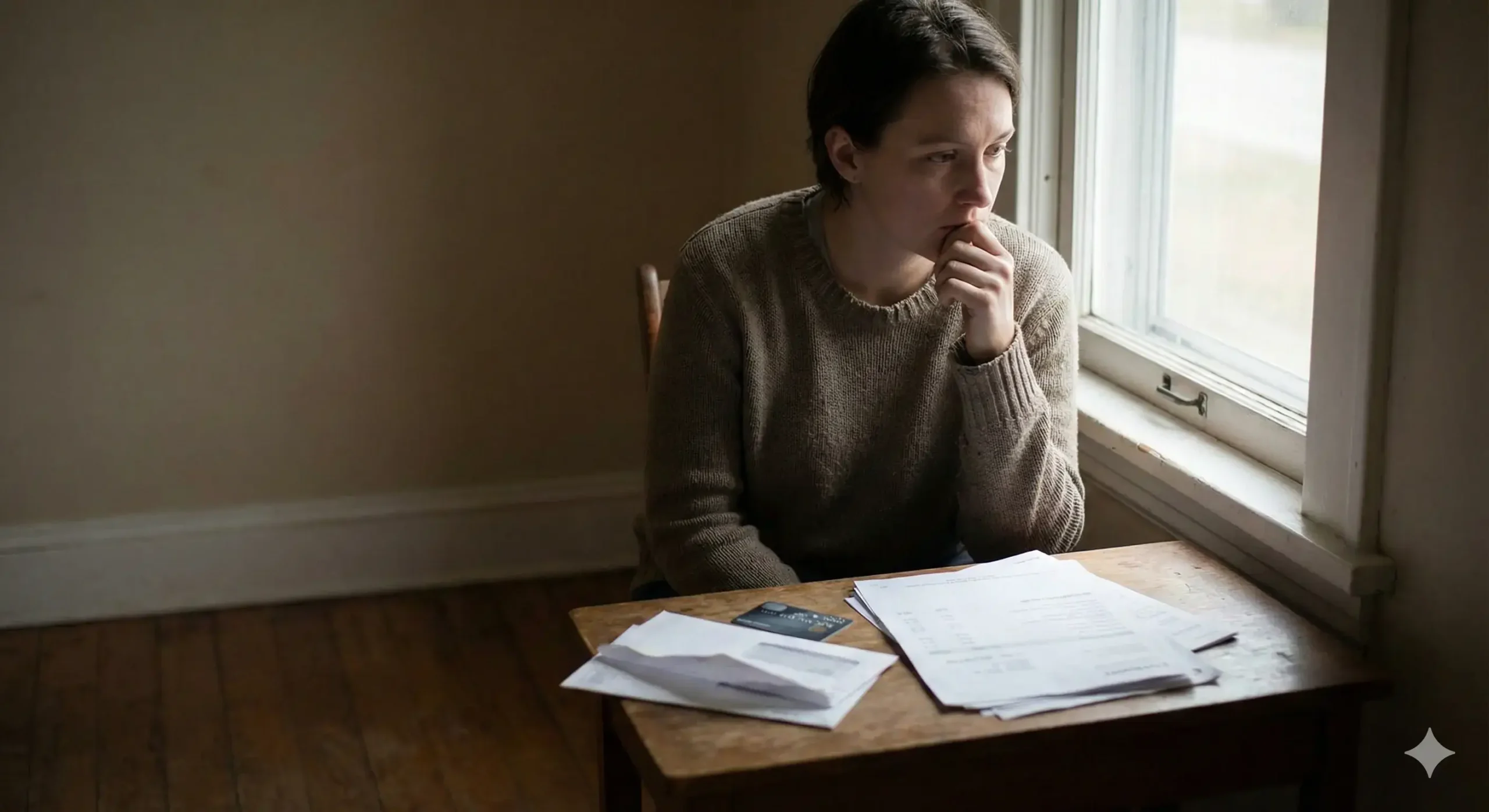
A credit card doesn’t announce itself as debt.
It shows up as relief.
A small pause in pressure.
A way to get through the month without asking anyone for help.
You swipe the card and move on. Nothing bad happens immediately. That’s what makes it dangerous.
Weeks later, when the statement arrives, the number looks unfamiliar. You remember paying last month. You remember being careful. Yet the balance hasn’t really moved.
That quiet confusion is usually the beginning of a credit card debt trap.
Why Credit Card Debt Feels Different From Other Debt
Most debts feel heavy from the start. Credit cards don’t.
They don’t demand a fixed EMI.
They don’t force a clear end date.
They don’t even ask you to stop spending while you’re repaying.
Instead, they offer flexibility. And flexibility, without boundaries, is where most people lose control.
Credit card debt grows not because people are reckless—but because the system allows small mistakes to compound quietly.
How the Credit Card Debt Trap Actually Begins
Almost no one plans to carry credit card debt long term.
It usually starts with something reasonable:
- An unexpected bill
- A tight month
- A delay in income
- A situation where “just this once” feels justified
You tell yourself you’ll clear it next month.
And you probably mean it.
But next month brings new expenses. And suddenly, the full payment feels too large. So you do what the statement suggests.
You pay the minimum due.
The Minimum Due: Where Most People Get Stuck
The minimum due looks harmless. Responsible, even.
You paid on time.
You avoided penalties.
Your credit score stays safe.
But here’s the part most people don’t realize until much later:
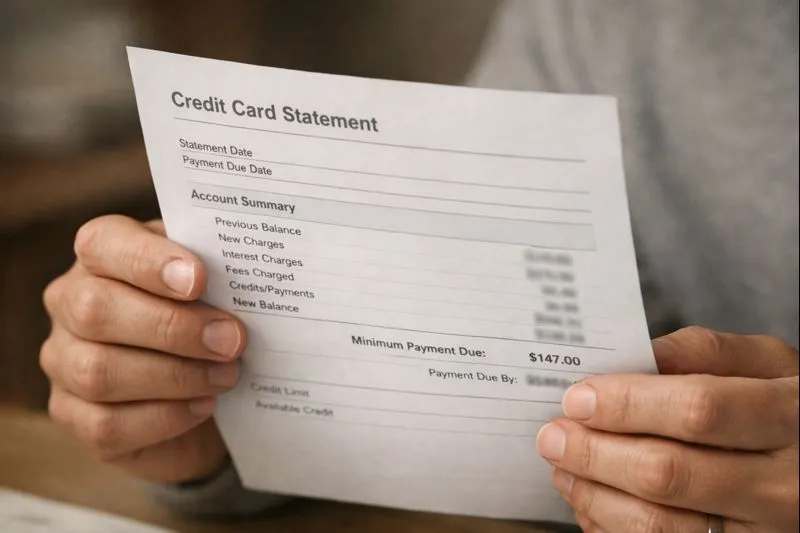
The minimum due is not designed to help you finish. It’s designed to keep you paying.
Most of that payment goes toward interest. Only a small portion reduces the actual balance. So when the next statement arrives, the number barely changes.
That’s when frustration sets in. And frustration is what keeps people trapped longer than math ever could.
How Interest Quietly Takes Control
Credit card interest doesn’t feel aggressive. It feels patient.
It works in the background:
- Calculated monthly (sometimes daily)
- Applied to unpaid balances
- Added again next cycle
So even when you’re paying regularly, interest keeps rebuilding the wall you’re trying to climb.
This is why many people say:
“I’ve been paying for years, but I’m still stuck.”
They’re not exaggerating. They’re describing how compounding works against them.
Why Multiple Cards Make Everything Worse
When one card feels tight, opening another often feels like a solution.
More limit.
More breathing room.
More flexibility.
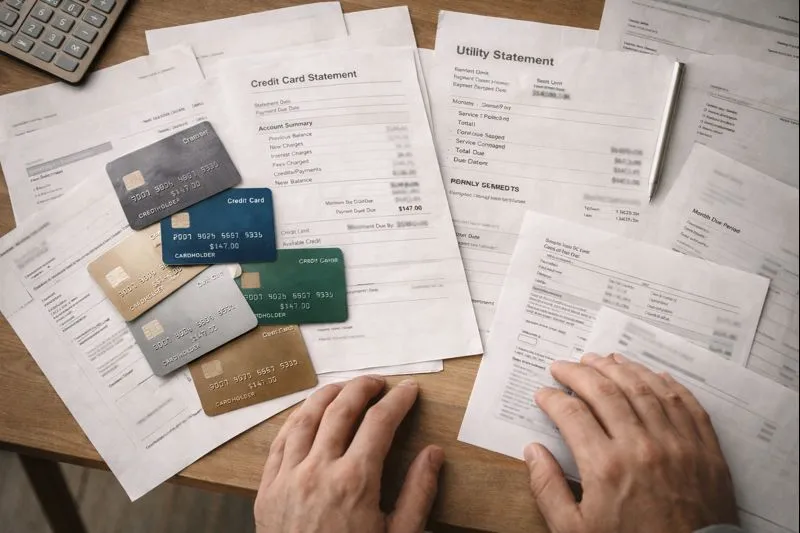
But what actually happens is fragmentation:
- Different due dates
- Different interest rates
- Different minimums
Money management becomes mental exhaustion. And when money feels exhausting, people stop looking closely—which allows debt to grow unnoticed.
Balance Transfers and EMI Conversions: Help or Delay?
These options can help—but only in very specific situations.
They work only if behavior changes.
A balance transfer without spending discipline is just debt in a new container.
EMI conversions feel calmer, but they often hide the total cost.
The tool isn’t the problem. The assumption that the tool alone will fix things is.
Signs You’re Already in the Credit Card Debt Trap
You might be trapped if:
- You pay on time but feel no progress
- You avoid checking statements
- You feel anxious when notifications arrive
- You’ve stopped counting how long you’ve been paying
- Your income increased, but your debt didn’t shrink
None of these are failures. They’re signals.
The Emotional Side Nobody Talks About
Credit card debt carries a quiet kind of shame.
Not because it’s the worst debt—but because it’s easy to hide. No one sees it. No one asks. So people carry it alone.
Over time, that silence turns into:
- Anxiety
- Self-blame
- Avoidance
And avoidance is where debt grows fastest.
How to Start Escaping the Credit Card Debt Trap
There’s no dramatic escape. No single payment that fixes everything.
But there is a shift—a moment where control starts returning.
Step 1: Stop Using the Cards (Temporarily)
Not forever. Just long enough to stop the bleeding.
Progress can’t happen while new debt is being added.
Step 2: See the Full Picture
List every card:
- Balance
- Interest rate
- Minimum due
- Due date
Seeing it clearly is uncomfortable—but powerful. To regain control, you must master your money with a winning budget plan.
Step 3: Pay More Than the Minimum (Whenever Possible)
Even small extra amounts matter more than you think. They attack the principal—the only part that actually ends the debt.
Step 4: Focus on One Card First
Choose either:
- The highest interest card (saves money), or
- The smallest balance (builds momentum)
What matters is consistency, not perfection.
What Life Looks Like After Credit Card Debt
People who clear credit card debt rarely celebrate loudly.
They just notice:
- Less anxiety
- Better sleep
- More intentional spending
- Quieter months
Freedom doesn’t feel dramatic. It feels calm.

Final Thought
Credit card debt doesn’t trap people because they’re careless.
It traps them because it feels manageable right up until it isn’t.
Understanding how it works doesn’t make you weak.
It makes you dangerous—to the system that profits from confusion.
And once you see the trap clearly, it starts losing its grip.