


India Bank Rules 2026: New RBI Changes Explained Simply
India bank rules 2026 are quietly changing how your money works — and most people haven’t even noticed yet.
That ₹500 UPI payment, your dad’s home loan EMI, or even how fast a cheque clears… everything is being upgraded behind the scenes.
And this time, it’s not a minor tweak. It’s a full system reset for how Indian families manage money. So instead of jargon, let’s break this down the way it actually matters — for a real Indian family.

⏱️ Key Takeaways (2-min read)
- Payments will become safer (2-step authentication is now mandatory)
- UPI limits are smarter — higher for important needs like education & health
- Home loan EMIs may feel more stable (thanks to repo rate pause)
- You can now add up to 4 nominees (big win for families)
- Cheques are finally going fast — sometimes same day
India Bank Rules 2026: What These New RBI Changes Mean for Your Family
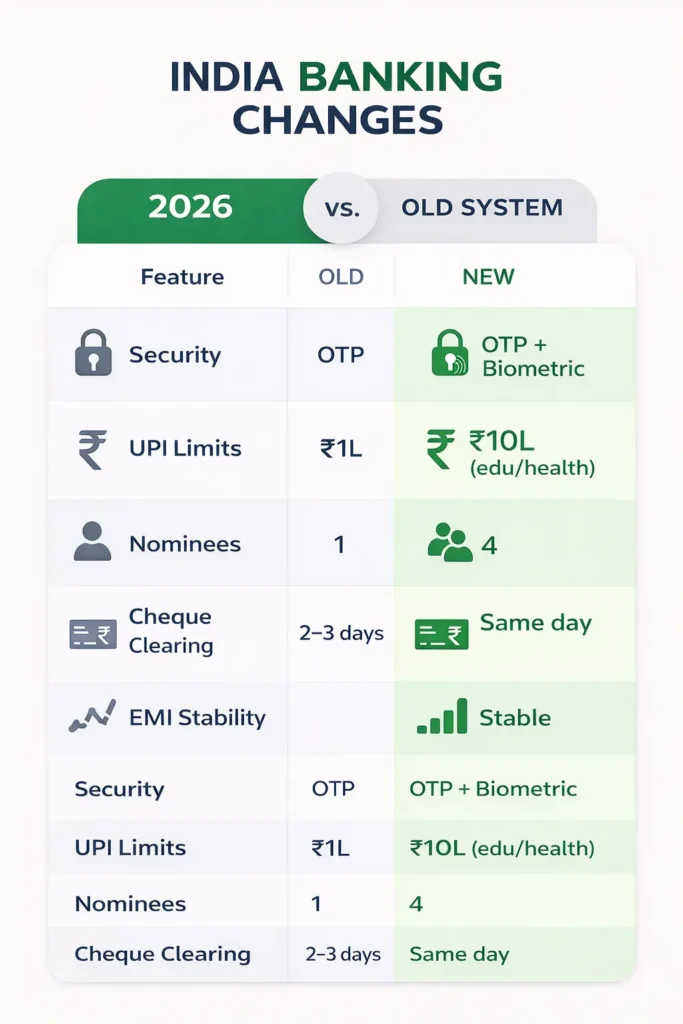
| Feature | Old Way (Before 2026) | New Way (2026 onwards) |
|---|---|---|
| Online Security | Mostly just OTP | OTP + PIN/Biometric |
| UPI Limits | ₹1 lakh for most payments | Up to ₹10 lakh for education/health |
| Nominees | Usually 1 person | Up to 4 people |
| Cheque Speed | 2–3 days | Same day / few hours |
| Home Loan EMIs | Fluctuating | More stable (repo pause) |
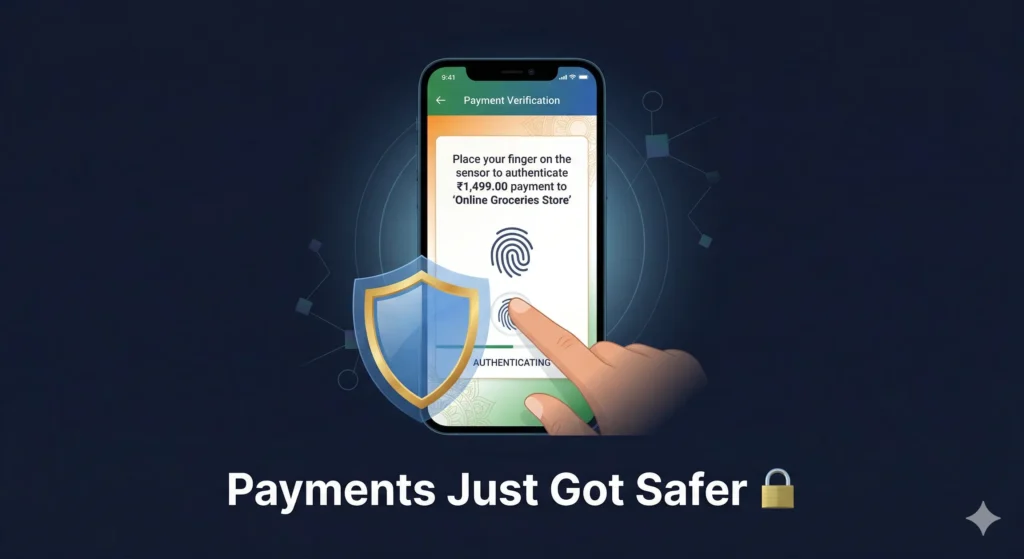
1. Payments Just Got a Security Upgrade
Earlier, most payments worked like this:
Enter OTP → Done
Simple… but risky.
Scammers got smarter. OTP theft became common.
What’s changing now?
From 2026, payments require Two-Factor Authentication (2FA):
- Something you know → PIN/password
- Something you are → fingerprint/face
- Something you have → OTP
You’ll need at least two of these
Why this matters
Yes, it may take 5–10 extra seconds.
But here’s the trade-off:
A scammer in another city can’t empty your bank account with just an OTP anymore
That’s a massive win.
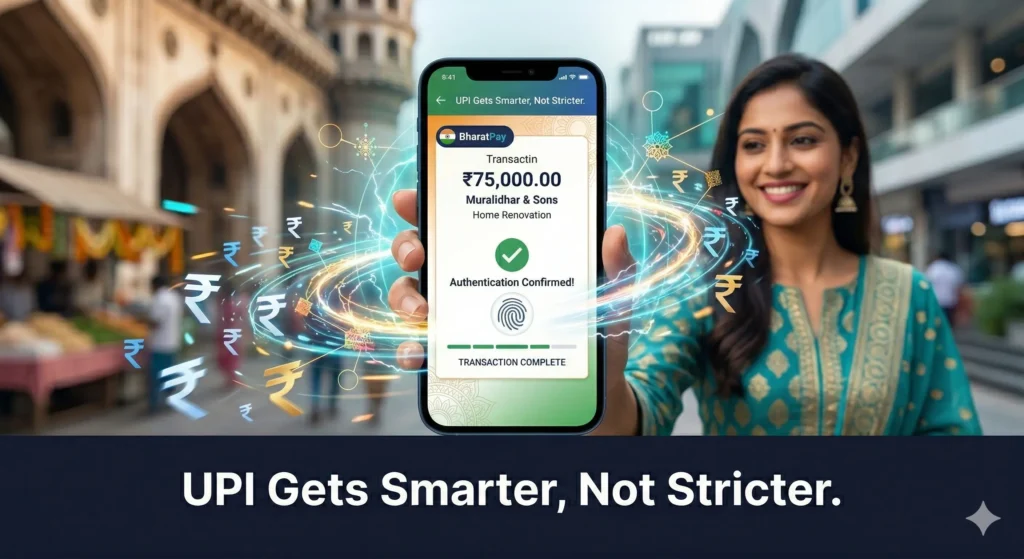
2. UPI Rules: Smarter, Not Stricter
UPI isn’t just an app anymore.
It’s India’s financial backbone.
But heavy usage = system overload.
So RBI made some practical changes.
What’s new?
1. Balance check limits
- Earlier: Unlimited
- Now: ~50 times/day (varies by app)
Sounds small, but it reduces server load massively.
2. Higher limits for important payments
- Regular transfers → ₹1 lakh (same)
- Education / hospital → up to ₹10 lakh
Big relief for families paying college fees or medical bills.
3. Faster transactions
- Earlier: Sometimes stuck for minutes
- Now: Target ~15 seconds
Real-life example:
A parent in Pune paying ₹6 lakh college fees earlier had to:
- Split payments
- Wait between transactions
Now?
One smooth payment. Done.
3. Home Loan EMIs: Finally Some Stability
If your family has a home loan, this matters a lot.
Quick concept (no jargon)
The Repo Rate = interest rate at which RBI lends to banks.
If repo goes up → EMIs go up
If repo stays stable → EMIs stay predictable
2026 situation
- Repo rate steady at 5.25%
- After cuts in 2025, borrowers are already benefiting
What this means for you
- No sudden EMI shocks
- Easier monthly budgeting
- Slight breathing room for middle-class families

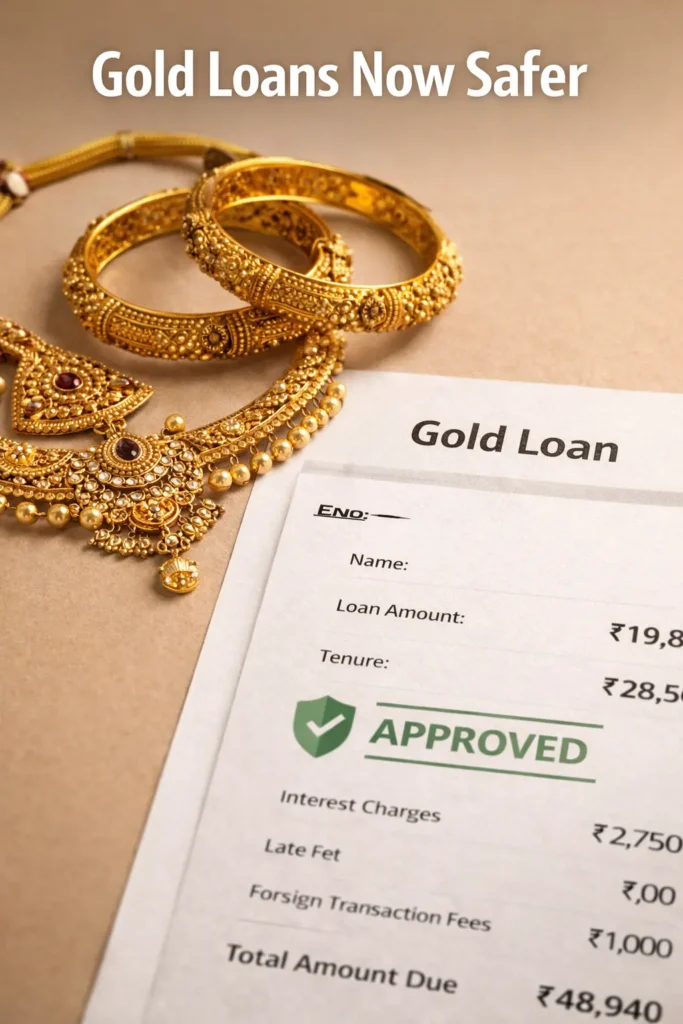
4. Gold Loans Are Safer Now
Gold = emotional + financial backup in India.
But earlier, gold loans had grey areas.
New rules simplify things:
- Loans allowed only on jewellery (not gold bars/biscuits)
- Loan-to-Value capped at 85% (for smaller loans)
Why this matters
Prevents over-borrowing
Reduces risk of losing gold during price drops
Example:
If your gold = ₹1,00,000
Max loan = ₹85,000
Safer cushion for families.
5. Nomination Rule: A Silent Game-Changer
This one doesn’t sound exciting.
But it solves real family problems.
Old system
- Only 1 nominee
- Led to disputes, paperwork, delays
New system
Up to 4 nominees per account
Why this is huge
Imagine a Delhi family:
- Father passes away
- Earlier → legal process, delays
- Now → funds distributed smoothly among wife + children
Less stress. Faster access. No legal mess.

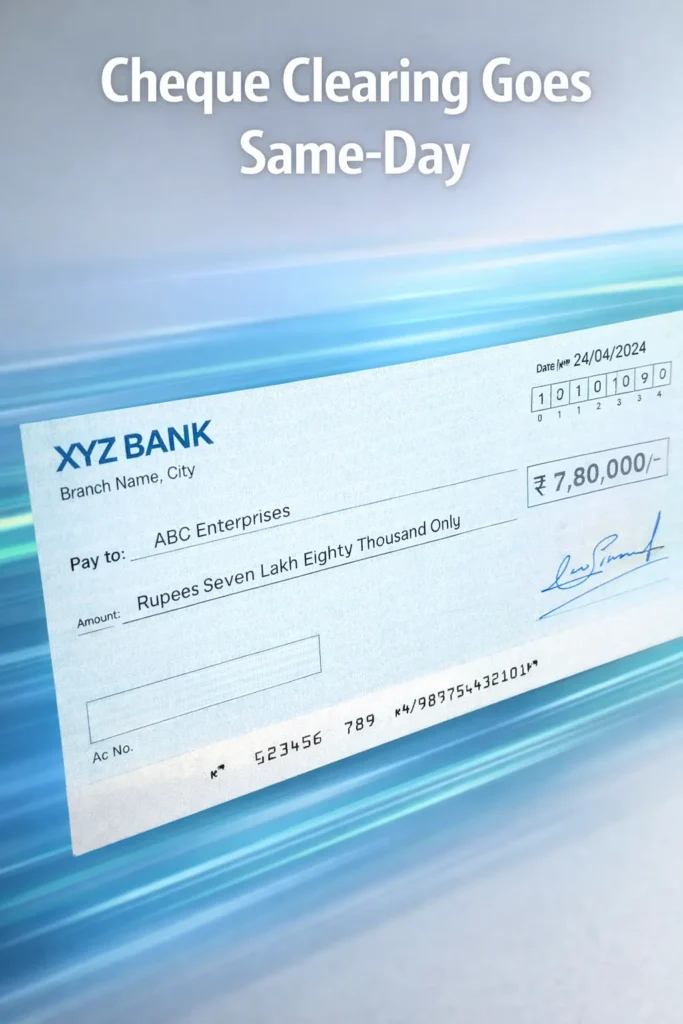
6. Cheque Clearing Is (Finally) Fast
Remember:
“Cheque clear hone mein 2–3 din lagenge”
That’s outdated now.
What’s new?
Continuous clearing system
- Cheques processed multiple times daily
- Morning deposit → same-day clearance possible
Impact
- Faster business payments
- Less waiting anxiety
- Better cash flow for small businesses
7. Zero-Balance Accounts Get Real Benefits
Basic Savings Bank Deposit (BSBD) accounts were often treated like “secondary citizens”.
Not anymore.
New upgrades:
- Free mobile & internet banking
- Limited/zero charges on ATM & deposits
Why it matters
Better financial inclusion
More dignity for low-income users
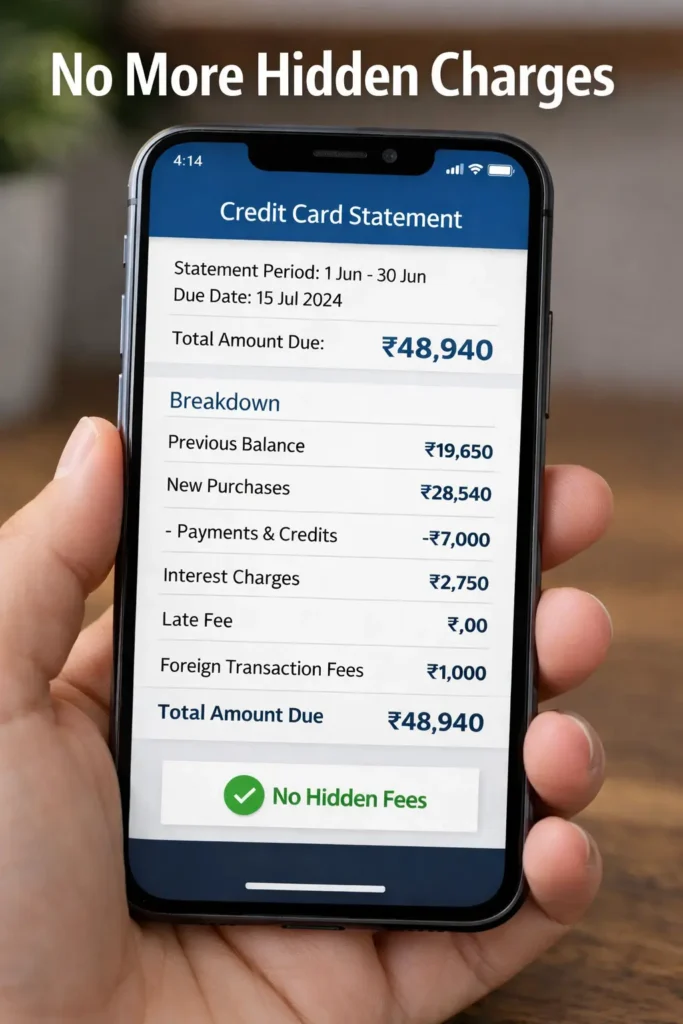
8. Credit Cards: No More Hidden Tricks
Let’s be real.
Credit card statements can feel like decoding a puzzle.
2026 fixes this:
- Flexible billing cycles
- Mandatory Key Facts Statement (KFS)
- Clear explanation of all charges
Result?
No more “Where did this charge come from?” moments
So… What’s the Big Picture?
All these changes point to 3 things:
1. Security ↑
Harder for fraudsters
2. Speed ↑
Faster payments, faster clearing
3. Simplicity ↑
Less confusion, more transparency
Final Thought
Most people will ignore these changes. Until one day, it affects their money. Don’t be that person.
Tonight, just ask at home:
- “Do we have multiple nominees added?”
- “Are UPI apps secured with PIN + biometrics?”
That’s how financial awareness starts.
FAQs
1. Will UPI become slower due to new rules?
No — in fact, it should become faster and more reliable.
2. Do I need to enable biometrics for payments?
Not mandatory everywhere, but 2FA (two-step authentication) is required.
3. Will EMIs reduce in 2026?
Not necessarily reduce — but they are expected to stay stable.
4. Can I add nominees to existing accounts?
Yes, you can update nominations through your bank.
5. Are cheque payments still relevant?
Yes — and now they’re much faster than before.
Explore Credit Card Debt in India: How to Eliminate It Fast (2026 Complete Guide) to give readers the next practical step.

Rules, rates, and thresholds mentioned here can change. This article reflects information available as of the last review date above — always verify current requirements with the official source (RBI, SEBI, IRDAI, or the relevant authority) before acting.
One Email a Week. Five Things Worth Knowing.
- One important financial change that actually affects you
- One practical money lesson
- One useful calculator
- One common mistake to avoid
- One guide worth reading