

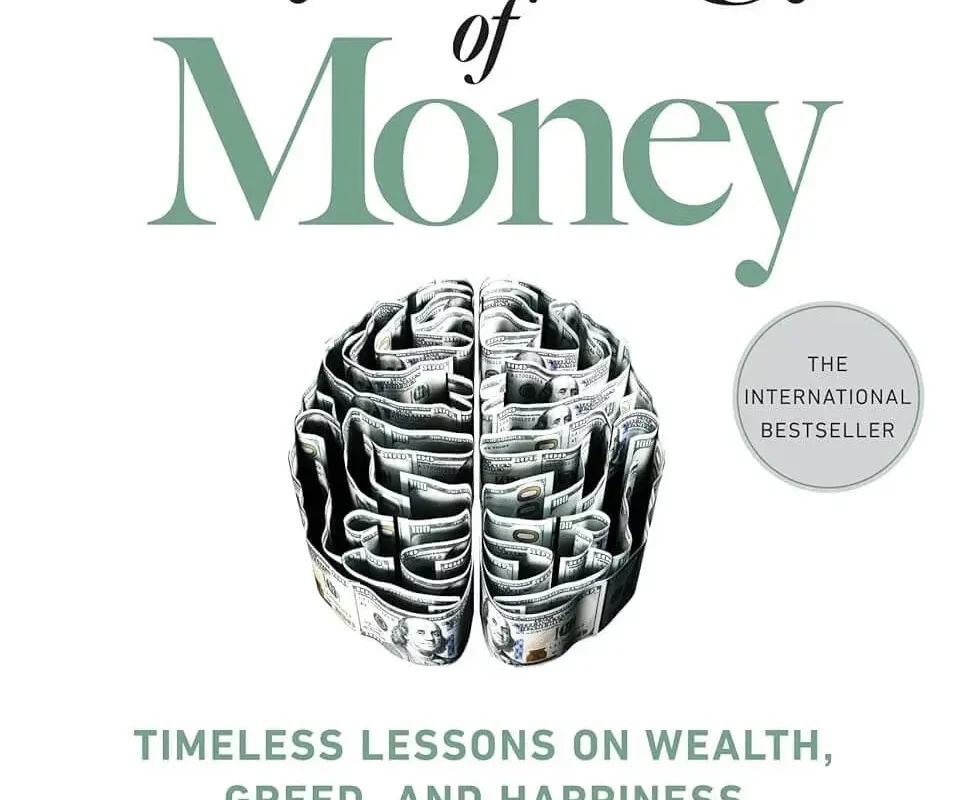
The Psychology of Money: First-Look Decode
Disclosure: some links on this page are affiliate links. If you buy through them, Investing Lens may earn a small commission at no extra cost to you. This never changes what we recommend. Content is educational, not investment advice. As an Amazon Associate I earn from qualifying purchases.
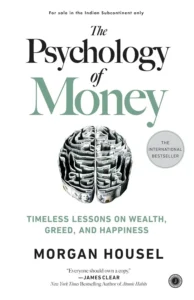
The Psychology of Money
The Psychology of Money proves that doing well with money is about how you behave, not how smart you are.
- Best for: The Psychology of Money is best for anyone who wants a healthy, stress-free relationship with wealth, rather than those seeking technical investing tactics or get-rich-quick math formulas.It is especially impactful for:Beginners and young professionals who want to build great financial habits early by mastering behavioral discipline over complex equations.Overwhelmed investors who find themselves constantly checking stocks, panicking during market drops, or overcomplicating their portfolios. High earners who struggle to save because they mistake a high income for actual, long-term wealth.
- Skip if: Specifically, you should skip this book if you fall into these groups:The Math-Driven Investor: If you want spreadsheets, formulas, tax-strategy checklists, or specific asset allocation models, this book will feel too conceptual and abstract.The Seasoned Professional: Veteran financial advisors, CFA charterholders, and day traders who are already deeply familiar with market history and behavioral biases will find the concepts repetitive.The "Get Rich Quick" Seeker: If you are looking for immediate trading hacks, crypto strategies, or aggressive wealth-building shortcuts, this book’s emphasis on slow patience will frustrate you.
How we made this: We haven’t read The Psychology of Money cover to cover. This is a first-look decode built from public summaries, the publisher’s description and reader discussion, checked against the sources listed at the bottom. We’ll update it after reading the full book.
Investing in the Right Mindset
The one-line idea “Behavior influences financial decisions” is a crucial takeaway from “The Psychology of Money” by Morgan Housel. This book shows how our behavior and mindset play a significant role in shaping our financial decisions, often more so than the math involved.
The one-line idea
The idea that “Behavior influences financial decisions” is a simple yet profound concept. It suggests that our financial outcomes are often determined by our habits and thought processes rather than our mathematical calculations. This idea is not new, but it’s a reminder that our financial success is not solely dependent on our earning power or investment returns.
The key ideas
Money management is about behavior, not math
This idea is corroborated by many who have read the book. It implies that our financial decisions are often driven by our emotional responses and habits rather than by any objective calculation. To put this idea into practice,
Do this: take a close look at your spending habits and try to identify any emotional triggers that may be influencing your financial decisions.
Wealth is what you don’t see
One source describes this idea as a key takeaway from the book. It suggests that true wealth is not just about accumulating material possessions but also about living below one’s means and avoiding debt. To apply this idea,
Do this: regularly review your expenses and see if there are any areas where you can cut back and save more.
Getting wealthy vs staying wealthy
Another idea discussed in the book is the distinction between getting wealthy and staying wealthy. One source describes it as a crucial concept for long-term financial success. To put this idea into practice,
Do this: create a plan for maintaining your wealth over time, rather than just focusing on accumulating it.
Compounding makes you rich
The power of compounding is a well-known concept, but the book highlights its importance in building wealth over time. To apply this idea,
Do this: take advantage of compound interest by starting to save and invest early, and by consistently adding to your investments over time.
Staying calm when others panic is a super power
One source describes this idea as a key takeaway from the book. It suggests that staying calm and level-headed in the face of financial uncertainty is a valuable skill for long-term financial success. To put this idea into practice,
Do this: develop a plan for managing your emotions during times of market volatility or financial stress.
Money is less about math and more about behavior
This idea is corroborated by many who have read the book. It implies that our financial decisions are often driven by our habits and thought processes rather than by any objective calculation. To put this idea into practice,
Do this: take a close look at your financial habits and try to identify any areas where you can improve your behavior.
Building wealth isn’t about earning more, it’s about needing less
One source describes this idea as a key concept for building wealth. It suggests that true wealth is not just about earning more money, but also about living below one’s means and avoiding unnecessary expenses. To apply this idea,
Do this: regularly review your expenses and see if there are any areas where you can cut back and save more.
What readers say
According to the book, readers have identified the importance of patience and discipline in achieving financial success. They also emphasize the importance of avoiding financial gurus and hot tips, and of staying calm under stress. Some readers have also noted the book’s focus on the importance of living below one’s means and avoiding unnecessary expenses.
Where this may not fit India
While the book’s ideas may be universally applicable, there are some aspects that may not directly translate to the Indian context. For example, the book’s emphasis on the importance of saving for retirement may not be as relevant in India, where many people rely on defined benefit pension schemes. Additionally, the book’s discussion of healthcare costs may not be as applicable in India, where many people have access to affordable healthcare through government schemes. Furthermore, the book’s ideas on tax planning may not be as relevant in India, where the tax landscape is different. We haven’t tested these ideas against Indian household realities ourselves yet, so treat them as questions to ask yourself, not answers.
Who should read it, and who should skip it
The book is intended for individuals interested in personal finance and self-help. If you’re looking for practical advice on managing your finances and building wealth, this book may be a good fit for you. However, if you’re looking for a book with specific investment strategies or technical advice, you may want to look elsewhere.
Our verdict (first look)
Based on the summaries and sources below, the book’s core argument is: Behavior influences financial decisions. We think that idea is worth your attention. Because we haven’t finished the book, we can’t yet judge how well it supports its arguments or handles trade-offs. If the idea appeals to you, it looks worth reading once your basics (emergency fund, health cover) are in place. We’ll add a full verdict after reading it.
Sources we used
- Open Library: The Psychology of Money
- YouTube: The Psychology of Money by Morgan Housel Audiobook | Book Summary in Hindi
- YouTube: The Psychology of Money Explained | How Compounding Makes You Rich!
- YouTube: The Psychology of Money in 33 minutes | Animated Book Summary
This article is for education only and is not investment, tax or financial advice. Consider speaking to a SEBI-registered investment adviser for personal decisions.

This article is for educational purposes only and does not constitute financial advice. Figures, examples, and outcomes are illustrative and vary based on individual circumstances and lender policies. Always consult a certified financial advisor before making major financial decisions.
One Email a Week. Five Things Worth Knowing.
- One important financial change that actually affects you
- One practical money lesson
- One useful calculator
- One common mistake to avoid
- One guide worth reading