
5 Proven Rights Under the Consumer Protection Act: Stop Creditor Harassment Cold
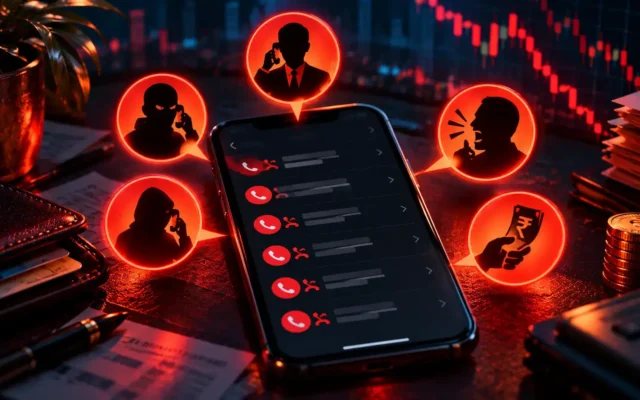
It is 9:30 PM on a Tuesday. You are sitting down for dinner with your family when your phone buzzes with a private number. The voice on the other end is cold, demanding, and aggressive. They claim you owe money on an old credit card or personal loan. They threaten to show up at your office tomorrow morning or call your relatives if you do not pay immediately. Your chest tightens, your appetite vanishes, and a familiar sense of dread takes over.
If you are dealing with unpaid debt in India, you might feel like you have surrendered all your rights. The reality is brutal: aggressive recovery agents and predatory lenders rely on your fear and ignorance to push you into a corner. They want you to believe that because you owe money, you are no longer entitled to basic human dignity or legal protection. They are lying.
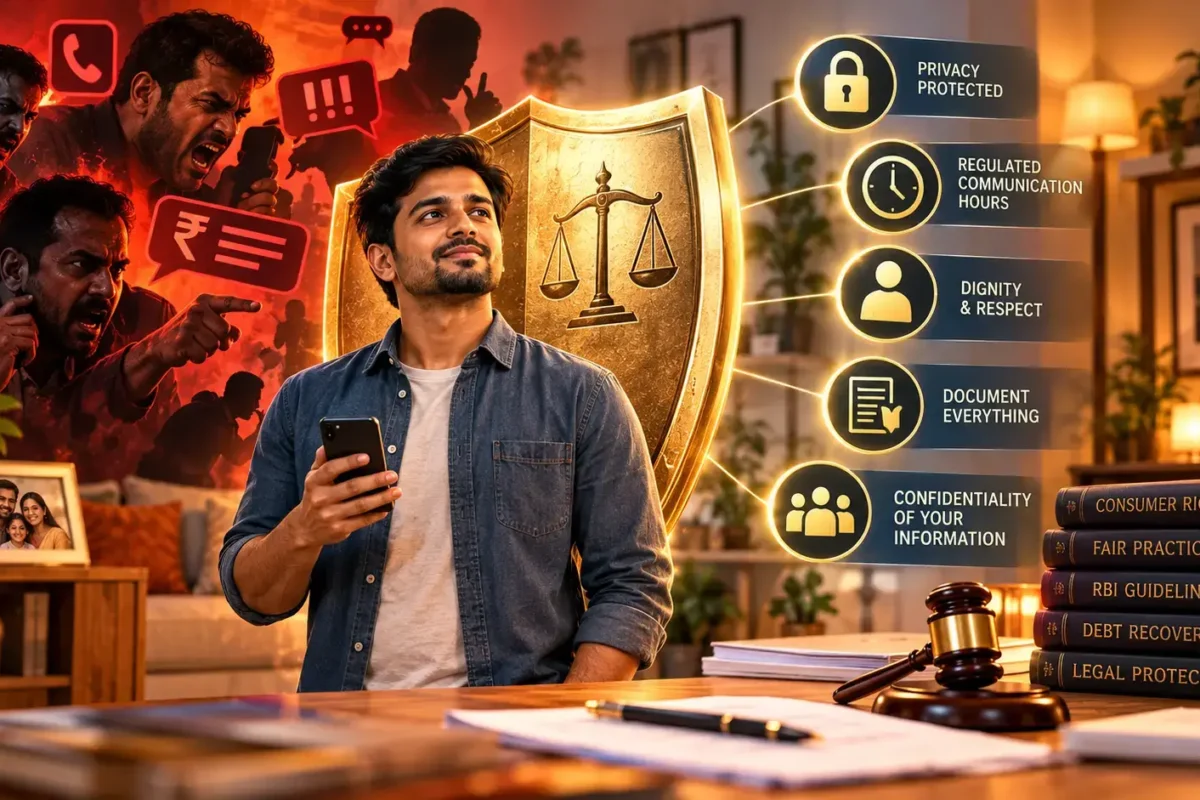
The law of the land is clear. Even if you have defaulted on a loan, you possess fundamental legal protections that no bank, non-banking financial company (NBFC), or third-party collection agency can strip away. In this comprehensive guide, we will unpack how the Consumer Protection Act, alongside strict regulations from the RBI, serves as your ultimate shield against abusive debt collection practices. You will learn the exact legal boundaries creditors cannot cross, how to document violations, and how to fight back legally to reclaim your peace of mind.
Key Takeaways
- The Consumer Protection Act protects borrowers against unfair trade practices and abusive debt collection methods.
- Creditors and recovery agents are legally prohibited from calling you during odd hours, using abusive language, or contacting your employers and relatives.
- The RBI has established strict guidelines that govern recovery practices, which work in tandem with consumer protection laws.
- You have the right to dispute incorrect entries on your credit report that harm your CIBIL score debt profile.
- Documenting every interaction with abusive creditors is the most critical step to building a winning legal case.
The Legal Shield: How the Consumer Protection Act Guards Borrowers
Many Indian borrowers assume that the Consumer Protection Act only applies when they buy a defective refrigerator or receive a damaged package from a Swiggy delivery. They do not realize that financial services—including loans, credit cards, and banking—fall squarely under the purview of this powerful legislation. When a lender engages in coercive, deceptive, or intimidating recovery tactics, they are committing an “unfair trade practice” under the law.
Let us look at a real scenario. Meet Rajesh, a software professional in Bengaluru who suffered a sudden medical emergency in 2024. To cover the hospital bills, Rajesh took a personal loan from a private lender. Due to his medical leave, he missed three consecutive monthly EMIs. Instead of initiating the standard legal recovery process, the lender handed Rajesh’s account over to an aggressive third-party collection agency. Within days, Rajesh was receiving 15 calls a day, some as early as 6:00 AM and others as late as 11:00 PM. The callers used abusive language, threatened to defame him at his workplace, and even sent intimidating WhatsApp messages to his sister.
Rajesh felt completely helpless. He believed that because he had defaulted on his loan, he had no right to complain. This is a dangerous misconception. Under the Consumer Protection Act, Rajesh is considered a consumer of financial services. The lender’s recourse to intimidation, harassment, and violation of privacy constitutes a severe breach of consumer rights. Under the Act, consumers have the right to be protected against unfair trade practices, which includes any coercive methods used to extract payment.
The Overlap of Consumer Law and RBI Guidelines
The strength of your protection does not rely on the Consumer Protection Act alone. The Reserve Bank of India (RBI) has issued explicit, non-negotiable directions regarding debt recovery practices. When a bank or NBFC violates these guidelines, they simultaneously violate the Consumer Protection Act by offering a deficient and abusive service. The RBI guidelines make it absolutely clear that lenders are fully responsible for the actions of their third-party recovery agents. If an agent harasses you, the bank cannot simply wash its hands of the matter and blame the contractor.
What Constitutes “Unfair Trade Practice” in Debt Recovery?
Under the legal framework, several common recovery tactics are classified as unfair, deceptive, or coercive. These include misrepresenting the legal consequences of non-payment (such as threatening immediate arrest, which only a court can order), fabricating fake legal notices on non-judicial paper, and using physical or mental harassment to force a settlement. If a creditor uses these tactics, they are violating the Consumer Protection Act, and you have the right to drag them to a consumer forum.
The Power of the Consumer Disputes Redressal Commissions
If a lender violates your rights, the Consumer Protection Act provides a structured, three-tier quasi-judicial machinery to address your grievances. You can file a formal complaint with the District, State, or National Consumer Disputes Redressal Commission depending on the value of the service and compensation claimed. These commissions have the power to order lenders to cease their abusive practices, pay hefty compensation for mental agony, and penalize them for deficient service. You do not even need an expensive lawyer to file a complaint in a consumer court; you can represent yourself or file the complaint online through the government’s e-Daakhil portal.
5 Proven Rights Every Indian Borrower Possesses Against Creditors
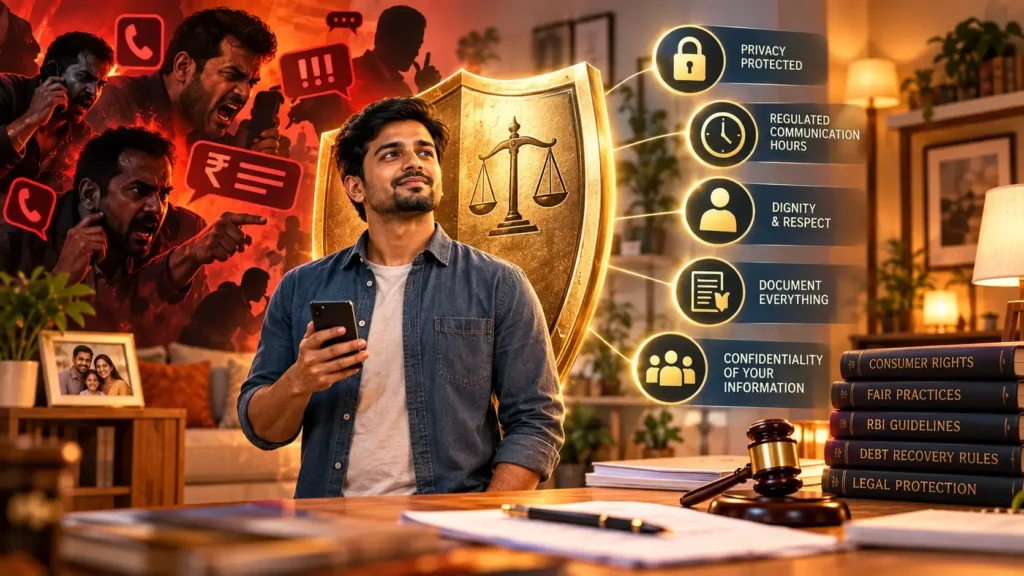
To defend yourself effectively, you must know the exact boundaries the law draws around recovery activities. Lenders and recovery agents rely on your lack of knowledge to push you around. When you quote the specific rules and show that you know your rights, their demeanour changes instantly. Here are the five fundamental rights you possess under the Consumer Protection Act and RBI frameworks.

1. The Right to Privacy and Decent Communication Hours
Recovery agents cannot call you whenever they please. According to explicit RBI directives, recovery agents can only contact you or visit your home between 8:00 AM and 7:00 PM. Any call, text, or visit outside of these hours is a direct violation of your right to privacy. Furthermore, agents are strictly prohibited from calling you repeatedly to harass you, using anonymous numbers to hide their identity, or sending threatening messages on social media platforms.
2. The Right to Protection Against Physical and Mental Harassment
No creditor has the right to use physical force, verbal abuse, or mental intimidation against you or your family members. This includes shouting at your doorstep, blocking your path, or using derogatory language. If you face harassment, you should read The Phone That Would Not Stop Ringing: 7 Warning Signs of Debt Recovery Harassment in India to understand the critical boundaries recovery agents are legally forbidden from crossing. Harassment is not just a civil wrong under consumer law; it is a criminal offense under the Indian Penal Code.
3. The Right to Confidentiality of Your Debt Details
Your debt is a private financial contract between you and your lender. Creditors are legally forbidden from disclosing your debt details to your neighbors, friends, co-workers, or extended family members. Recovery agents cannot call your office reception to complain about your unpaid dues, nor can they post about your default on public platforms. Doing so is a severe breach of confidentiality and a direct violation of your consumer rights.
| Action by Creditor/Agent | Legal Status in India | Governing Authority / Rule |
|---|---|---|
| Calling before 8:00 AM or after 7:00 PM | Strictly Illegal | RBI Fair Practices Code |
| Threatening arrest or immediate jail time | Illegal (Only courts can order arrest) | Indian Penal Code / Consumer Protection Act |
| Contacting colleagues or employers about your debt | Strictly Illegal (Breach of privacy) | Consumer Protection Act / RBI Guidelines |
| Visiting your home without prior identification | Illegal | RBI Recovery Agent Guidelines |
| Sending fake legal notices via WhatsApp | Illegal and Deceptive | Consumer Protection Act (Unfair Trade Practice) |
Step-by-Step Guide: How to Legally Fight Creditor Harassment
Knowing your rights under the Consumer Protection Act is only half the battle. You must know how to enforce them. If you are facing illegal harassment from a lender or their recovery agents, you must follow a systematic, legally sound process to build your case and stop the abuse.
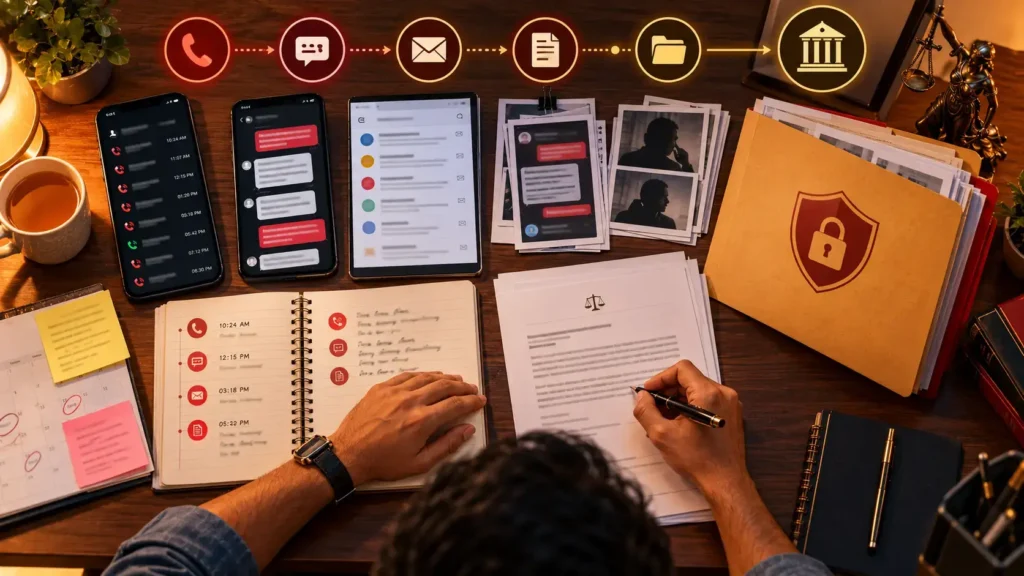
Step 1: Document Every Single Interaction
In the legal world, undocumented claims do not exist. The moment a creditor or agent crosses the line, you must start gathering evidence. Install a reliable call recording app on your phone (ensure you comply with local laws, but keeping records for legal defence is vital). Take screenshots of all threatening WhatsApp messages, SMS alerts, and emails. If agents visit your home, use your phone to discreetly record video or audio of the interaction. Note down the dates, exact times, phone numbers, and the names of the individuals who contact you.
Step 2: File a Formal Written Complaint with the Lender
Do not just argue with recovery agents over the phone. Write a formal complaint letter or email to the Grievance Redressal Officer (GRO) of the bank or NBFC. Clearly state the facts: the loan account number, the specific dates and times of harassment, the phone numbers used, and the exact nature of the abusive behavior. Explicitly state that these actions violate the RBI Fair Practices Code and the Consumer Protection Act. Demand that they investigate the matter immediately and instruct their agents to cease the harassment. Send this via registered post or from your registered email address to create a paper trail.
Step 3: Escalate to the RBI Ombudsman
If the lender does not resolve your complaint within 30 days, or if you are unsatisfied with their response, you can escalate the matter to the RBI Ombudsman. You can file this complaint online through the RBI’s Integrated Ombudsman Scheme portal. Provide all your documented evidence, including your initial complaint to the bank and their response (or lack thereof). The Ombudsman has the power to penalize banks heavily and award compensation to borrowers for harassment and mental distress.

Step 4: File a Complaint in the Consumer Forum
If the harassment has caused you severe mental agony, financial loss, or reputational damage, you can file a formal complaint with the District Consumer Disputes Redressal Commission under the Consumer Protection Act. You can draft the complaint detailing the deficiency of service and unfair trade practices committed by the lender. You can seek compensation for the mental harassment and legal costs incurred. The e-Daakhil portal makes this process highly accessible for everyday citizens.
FAQs
Can a bank recovery agent legally enter my house without my permission?
No. Recovery agents cannot enter your home without your explicit permission. If they force their way in or refuse to leave when asked, they are committing criminal trespass. You have the right to call the local police immediately and report the intrusion.
What should I do if a creditor sends a fake court notice?
Many recovery agents send fake legal notices on non-judicial stamp paper or via WhatsApp to scare you. Real court notices are sent through registered post or official court couriers and carry a valid case number that you can verify on the official e-Courts services website. If you receive a fake notice, document it and file a complaint with the bank’s grievance cell and the consumer forum for deceptive practices.
Can a creditor contact my employer to recover an unpaid loan?
Absolutely not. Creditors and recovery agents are legally prohibited from contacting your employer, HR department, or colleagues to discuss your debt or pressure you into paying. Doing so is a direct violation of your privacy rights under the Consumer Protection Act and RBI guidelines.
How do I stop daily harassing calls from loan apps?
Document the calls, block the numbers, and file an immediate complaint with the cyber cell and the RBI Ombudsman. If the loan app is unregistered or illegal, report them directly through the RBI’s Sachet portal and the local police, as these unauthorized entities do not operate under legitimate Indian banking licenses.
Final Thoughts
Dealing with unpaid debt is incredibly stressful, but debt is a civil matter, not a criminal one. Defaulting on a loan does not make you a criminal, and it certainly does not strip you of your fundamental rights to safety, privacy, and dignity. The Consumer Protection Act and RBI guidelines exist to ensure that the relationship between lenders and borrowers remains fair, respectful, and legally compliant, even when things go wrong financially.
If you are struggling to keep up with your EMIs, do not hide from your lenders, but do not tolerate abuse either. Initiate a constructive conversation about restructuring your loan or seeking a reasonable settlement. If they choose to unleash abusive recovery agents instead of engaging in professional dialogue, use the steps outlined in this guide to document the violations and hold them legally accountable. Your peace of mind and dignity are worth fighting for.

This article is for educational purposes only and does not constitute financial advice. Figures, examples, and outcomes are illustrative and vary based on individual circumstances and lender policies. Always consult a certified financial advisor before making major financial decisions.
One Email a Week. Five Things Worth Knowing.
- One important financial change that actually affects you
- One practical money lesson
- One useful calculator
- One common mistake to avoid
- One guide worth reading