

Loan Recovery Agent Harassment Complaint Online: 7 Real Steps to Act
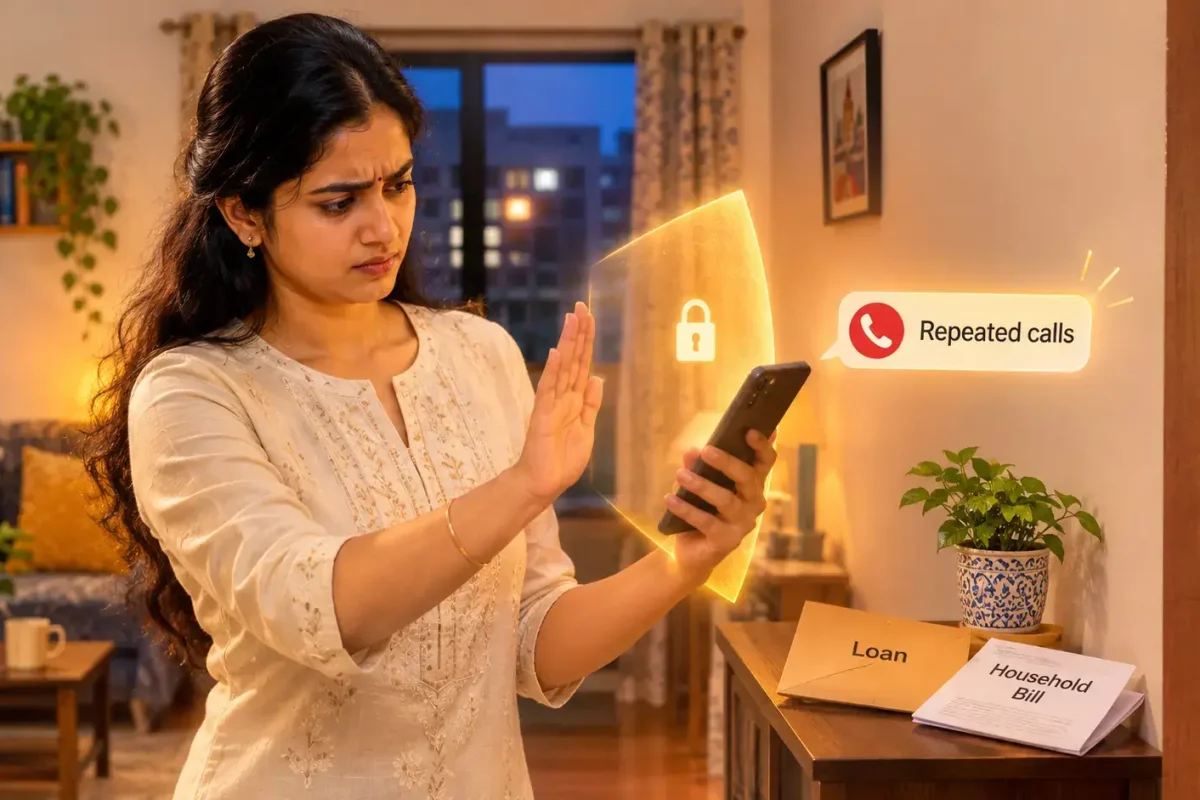
A missed EMI is stressful enough. Then a recovery agent calls repeatedly, threatens to visit your workplace, or contacts relatives about your loan. You may be worried about the overdue amount and unsure whether complaining will make things worse.
A loan recovery agent harassment complaint online is a way to create a written record and ask the lender to investigate the conduct. It does not erase a genuine debt or automatically stop lawful recovery activity. But silence leaves you with little documentation if the behaviour crosses a line.
This guide explains what to record, where to submit a complaint, how to escalate it and what to do if the lender does not respond. The point is to act clearly, not to get pulled into a shouting match on the phone.

Key Takeaways
- Separate the loan dispute from the agent’s conduct, you can challenge harassment while still addressing a valid overdue amount.
- Save call logs, messages, emails, voicemails and dates before submitting a loan recovery agent harassment complaint online.
- Complain first through the lender’s official grievance channel, even if the caller says they work for an outside agency.
- Ask for a complaint or reference number and keep a copy of everything you send.
- Escalation options depend on the lender and the current RBI process; confirm the applicable route on official websites.
- If there is an immediate threat to your physical safety, contact local emergency services or police rather than waiting for an online complaint response.
What counts as recovery harassment—and what does not?
Debt collection is not automatically harassment
A lender can seek repayment of a loan through its own staff or an authorised recovery agency. A reminder about an overdue EMI, a request to discuss repayment, or a written notice about the account is not automatically harassment. The details matter: what was said, how often the contact happened, whether your privacy was exposed and whether threats or intimidation were involved.
For example, Mumtaz, a school administrator in Kannur, receives a call about a missed personal-loan instalment. The caller identifies the lender and asks her to contact its collections team. That is different from someone repeatedly calling her relatives, using abusive language or threatening to shame her publicly. If she files a loan recovery agent harassment complaint online, the complaint should describe the conduct, not simply say that a call arrived.
Write down the behaviour, not just your reaction
“The agent harassed me” is understandable, but it gives an investigator little to check. Include the date and approximate time, the number used, the words or action you object to, who else was contacted and whether you asked for the contact to stop or move to an official channel. Keep the account factual. Avoid adding claims you cannot support.
If you are also disputing the balance, charges or identity of the caller, state that separately. A loan recovery agent harassment complaint online should not accidentally concede a disputed amount or replace a formal loan-account dispute.

Prepare evidence before filing a complaint
Build a simple incident record
Start with a note on your phone or a document stored somewhere you can access. Record each incident as it happens. Preserve original texts, emails and voicemails; take screenshots that show the sender or number and date where possible. Do not edit recordings or messages. If you speak with the lender, note the department, date, time and any reference number provided.
Saravanan, a textile supervisor in Coimbatore, has three calls in one afternoon and a message sent to a family member. He makes a short timeline: the time of each call, the numbers displayed, the exact wording of the message and when he notified the lender. That record is more useful than a long, angry message sent weeks later.
Keep sensitive information out of public posts
Use the lender’s official website, app or verified email address to submit documents. Do not post your loan account number, PAN, Aadhaar details, full phone number or screenshots containing personal data on social media. Be wary of anyone who promises to “remove” your loan or demands a fee to file a complaint. A complaint channel should be verified independently, not through a link sent by the caller.
Before sending evidence, check that it is relevant and that unnecessary personal details belonging to relatives or other people are not exposed. Keep an unedited copy for your records.
How to make a loan recovery agent harassment complaint online
1. Use the lender’s official grievance channel
Find the lender’s grievance or customer-service section by typing its official website address yourself or using its verified app. If the loan came from an NBFC or a digital lending arrangement, identify the regulated lender named in your loan documents. A recovery agency may make the calls, but your first written complaint should go to the lender responsible for the account.
In the complaint, give your name and safe contact details, enough loan information to identify the account, a concise incident timeline and the outcome you are requesting. For example: ask the lender to investigate the named conduct, confirm the authorised recovery contact and communicate with you through an appropriate official channel. Do not send passwords, OTPs or card PINs.
2. Keep the submission and reference number
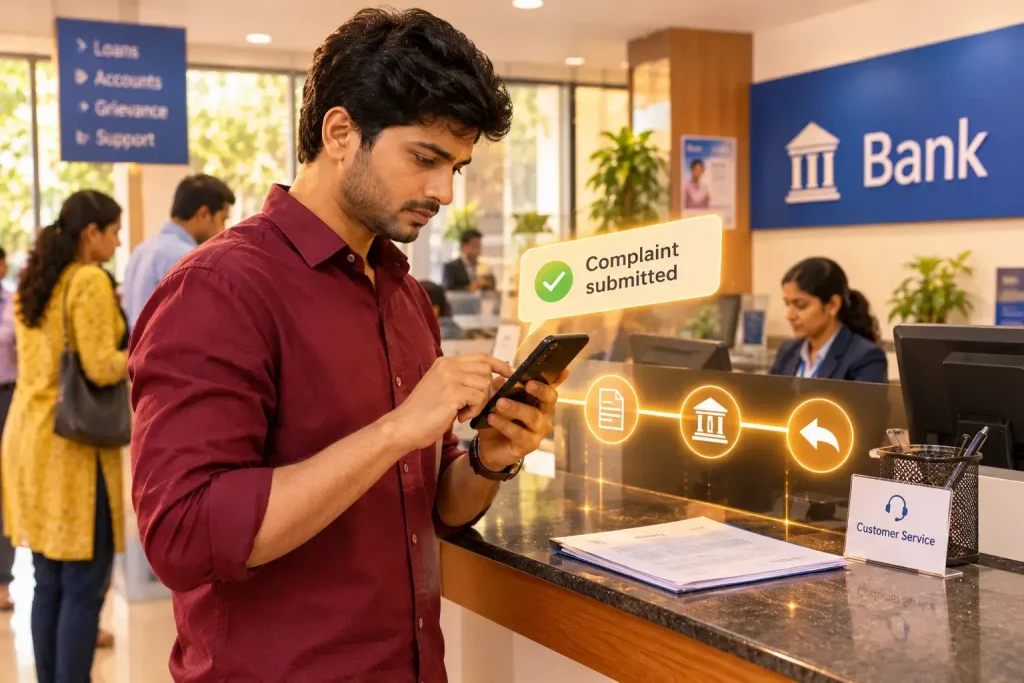
Save the confirmation screen, email or acknowledgement. If the form does not generate a reference number, retain a copy of the submitted text and note the submission date. A loan recovery agent harassment complaint online is only useful as a record if you can later show what you submitted and when.
Keep your wording calm and specific. You can write: “On [date] at approximately [time], a caller from [number, if known] said [brief factual description]. The caller also contacted [relationship, if relevant]. Please investigate and provide a written response.” Replace the brackets with facts. Don’t embellish.
3. Ask the lender to confirm who is contacting you
If you are unsure whether a caller represents the lender, do not rely on the caller’s own explanation. Contact the lender through a number or channel listed on its official site or loan documents. Ask whether the agency or representative is authorised and how future account communications can be verified. Never pay a caller through a personal UPI ID or share an OTP to “stop” a recovery visit.
Escalation: what to do if the first complaint goes nowhere
Escalate inside the lender first
If the first response is missing, incomplete or does not address the alleged conduct, use the lender’s next grievance level listed on its official website. Include the first complaint reference, the original submission date and any new incidents. Check the lender’s current complaint process and response timelines directly; do not assume every bank or NBFC follows an identical route.
Zosangliana, a nurse in Champhai, sends a complaint after an agent repeatedly calls during work and leaves a threatening message. When he follows up, he attaches the earlier reference number and adds only the new evidence. That makes it easier to see what has changed since the first submission.
Check the RBI route and current eligibility
If the lender’s internal process has not resolved the complaint, check RBI’s official complaint information and the RBI Complaint Management System for the current eligibility rules and filing route. The right channel can depend on the type of regulated entity and whether you first complained to it. Read the current instructions before submitting; do not assume every dispute or recovery-related complaint qualifies for the same process.
In your submission, distinguish the service or conduct complaint from the underlying debt issue. RBI is an authoritative source for checking the applicable complaint mechanism, but an online filing does not itself cancel a loan or decide a disputed balance instantly.
When there is an immediate threat
Online grievance channels are not emergency services. If someone threatens immediate physical harm, attempts forced entry or creates an urgent safety concern, contact local police or emergency services. Preserve messages and call details if it is safe to do so, and notify the lender through its official channel afterward.
For a broader explanation of borrower concerns and recovery conduct, read RBI Loan Recovery Guidelines: 5 Real Rights You Have Against Harassment. The Debt Freedom Center is the site hub for loan and debt-management topics.
Common mistakes that weaken a complaint
Making a vague allegation or deleting the trail
A complaint that says only “stop harassing me” may not show what happened. Give dates and examples. Keep your records even if the lender says it has logged the matter. If new conduct occurs after the complaint, add it as a dated follow-up rather than rewriting the original account.
Arguing with a caller or paying an unverified person
Angry calls can make a stressful situation worse and rarely create a useful record. Keep replies brief and use the lender’s official contact route. Do not hand over cash, send money to a personal account or share authentication codes because someone claims that payment will end calls. Verify any payment request directly with the lender.
Expecting a complaint to settle the debt automatically
A conduct complaint and a repayment negotiation are separate matters. If the amount is wrong, raise a separate account dispute and attach relevant statements or receipts. If repayment is difficult, ask the lender through official channels what options it offers and request the terms in writing. Don’t assume a complaint pauses interest, fees or collection activity; check the loan terms and get confirmation from the lender.
FAQs
Where can I file a loan recovery agent harassment complaint online?
Start with the lender’s official grievance channel, using its verified website or app. If the issue remains unresolved, check RBI’s official complaint process and current eligibility requirements.
Can I complain if the recovery agent works for an outside agency?
Yes. Send your complaint to the lender named in your loan documents and include the agency or caller details you have. Ask the lender to verify whether the representative is authorised.
What evidence should I attach to a recovery harassment complaint?
Provide a concise incident timeline and relevant call logs, messages, emails or voicemail details. Keep original records, avoid editing evidence and do not expose unnecessary personal information.
Will filing a complaint stop loan recovery calls?
Not automatically. A complaint asks for the conduct to be reviewed; it does not by itself cancel the debt or guarantee that all collection contact will stop.
Final Thoughts
When a recovery call crosses a line, a clear record is more useful than a heated exchange. State what happened, preserve the evidence and make the complaint through a channel you verified yourself. Keep any disagreement about the loan balance separate from the complaint about conduct.
Check the lender’s grievance page and RBI’s current complaint instructions before escalating. If the matter involves a complex dispute or legal threat, a qualified professional can explain options based on your documents. The examples in this article are illustrations, not actual customer cases or endorsements.
Not Sure What to Do Next?
Every situation is different. Get a short list of guides and calculators for debt, in a sensible order, with no sign-up. It is for learning, not personal advice.

This article is for educational purposes only and does not constitute financial advice. Figures, examples, and outcomes are illustrative and vary based on individual circumstances and lender policies. Always consult a certified financial advisor before making major financial decisions.
One Email a Week. Five Things Worth Knowing.
- One important financial change that actually affects you
- One practical money lesson
- One useful calculator
- One common mistake to avoid
- One guide worth reading